Skip to text Skip to main menu

ESG

Environmental

Greenhouse Gas · Energy Reduction

  • Spreading Employee Greenhouse Gas · Energy Reduction Practice Culture
    Hyundai Polytech is promoting voluntary energy conservation across all aspects of employee life, along with greenhouse gas reduction in the industrial sector within the workplace.
    Additionally, we have established an energy conservation culture through practices such as turning off lights during lunch time and turning off power strips when leaving work, allowing employees to practice energy conservation in their daily lives.
    In this way, we are striving to fundamentally embrace ESG management across the entire company by motivating employees to practice ESG.
  • Minimizing Air Conditioner/Heater Operating Hours at Plant 2 and Installing Ceiling Fans for Air Circulation
    At Plant 2, we are making efforts to minimize the operating hours of air conditioners and heaters, and to minimize environmental impact through efficient energy management. To this end, we optimize the operating schedule and settings of air conditioners and heaters used within the plant to operate only when necessary, and program them to automatically stop during holidays or unused hours.
    In particular, we are actively introducing ceiling fans for ventilation and air circulation to maintain indoor air quality.
    These ceiling fans effectively circulate indoor air while minimizing the operation of air conditioners and heaters, contributing to maintaining uniform indoor temperature.
    Additionally, we are introducing and managing the latest technology ceiling fans to provide a comfortable working environment while minimizing energy consumption.
  • Boom-up Activity Implementation: Banner Production/Posting
    By producing and using electrical energy conservation banners, Hyundai Polytech is promoting active energy reduction activities. The produced banners emphasize energy efficiency within facilities and remind employees of the importance of energy usage. This raises awareness of electrical energy consumption and emphasizes the need for conservation.
  • Reduction in Monthly Average Vehicle Operation Frequency of Partners Compared to Previous Year
    The reduction in monthly average vehicle operation frequency of partners is having a positive impact on the environment. This is interpreted as an important effort to promote greenhouse gas reduction and pursue sustainable environmental management. The reduction in vehicle operation frequency leads to annual greenhouse gas emission reduction.
    Fewer operations reduce fuel consumption, thereby reducing emissions of carbon dioxide (CO2) and other greenhouse gases.
    In fact, compared to 2022, we reduced operations by an average of 20% per month in 2023, which is expected to reduce greenhouse gas emissions.
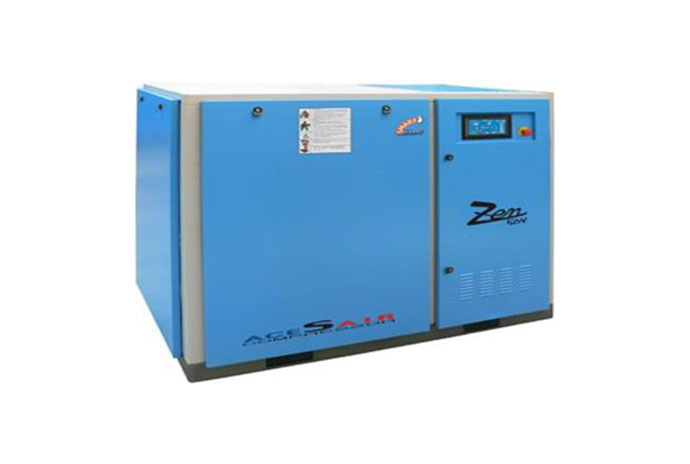
  • Inverter Compressor Replacement
    Reducing energy consumption through inverter compressor replacement is an efficient energy management strategy.
    Replacing existing compressors with high-efficiency inverter compressors is a key means of reducing energy consumption.
    High-efficiency compressors automatically adjust rotation speed according to load to maintain optimal operating conditions and maximize energy efficiency.
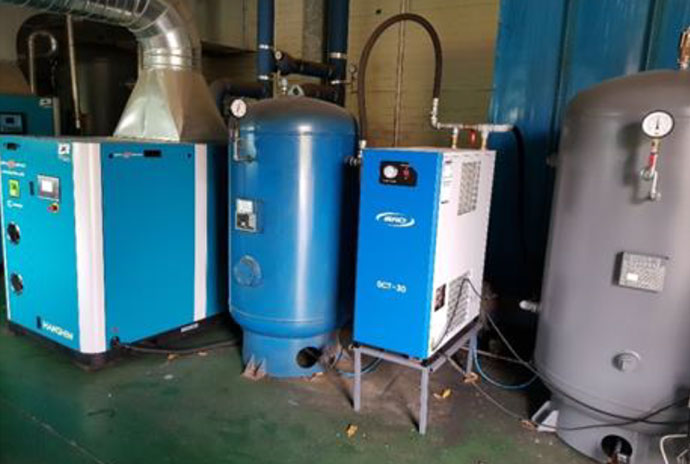
    After installation in August 2023, approximately 1.5 million won in energy consumption electricity costs were saved over about 2 months.

Greenhouse Gas Emissions

Category Unit 2020 2021 2022
Greenhouse Gas Emissions tCO2eq 8,195 8,332 8,516
Scope 1 (Direct Emissions) tCO2eq 399 451 720
Scope 2 (Indirect Emissions) tCO2eq 7,797 7,881 7,797

Energy Consumption

Category Unit 2020 2021 2022
Direct Energy GJ 3,260 3,671 5,384
LNG (City Gas) GJ 3,260 3,671 5,384
LPG GJ 83 74 65
Diesel GJ 149 148 210
Gasoline GJ - - -
Kerosene GJ - - -
Indirect Energy GJ 159,859 158,077 157,678
Electricity GJ 159,859 158,077 157,678
Steam GJ - - -
Total Energy Consumption GJ 163,119 161,748 163,263
  • Inverter Compressor Replacement
  • Inverter Compressor Replacement Site